trans1_small
University of Arizona
When autocomplete results are available use up and down arrows to review and enter to select.
  • Home
  • Pest Identification
    • Pest Identification Home
    • Diseases
    • Weeds
    • Insects
    • Pest Diagnostics
    • Pest Identification - Outputs
    • Events
    • Frequently Asked Questions
  • Agricultural IPM
    • Agricultural IPM Home
    • Vegetables
    • Field Crops
    • Other Crops
    • Agricultural Pesticide Safety
    • Agricultural IPM Outputs
    • Events
    • Frequently Asked Questions
  • IPM Assessment
    • IPM Assessment Home
    • Crop Pest Losses
    • Impacts
    • EPA Pesticide Registration Reviews
    • How To Submit Comments to EPA
    • Previously Submitted EPA Comments
    • Projects
    • IPM Assessment Outputs
    • Frequently Asked Questions
  • Community IPM
    • Community IPM Home
    • School IPM
    • Public Health IPM
    • Turfgrass
    • Community Pesticide Safety
    • Community Insect Gallery
    • Handbook on Pests
    • Home and School IPM Newsletters
    • Community IPM Resources
    • Events
    • Frequently Asked Questions
  • Pesticide Education and Training
    • Pesticide Education and Training Home
    • Ag Licensing Resources
    • Community Licensing Resources
    • Special Pesticide Registrations
    • Pesticide Safety Outputs
    • Events
    • Frequently Asked Questions
  • About Us
    • Partners and Links
    • Contact Us
    • Organizational Chart
    • Arizona Pest Management Center
    • Mission
    • Working Groups
    • Organization
    • Social Media
  • Home
  • Pest Identification
    • Pest Identification Home
    • Diseases
      • Publications And Resources
      • Photo Gallery
    • Weeds
      • Sample Submissions
      • Publications And Resources
      • Noxious Invasive Weeds
      • Weed Photo Gallery
      • Herbicide Injury
    • Insects
      • Sample Submissions
      • Publications And Resources
      • Insect Collection
      • Photo Gallery
      • Insect Injury
      • Community Insect Gallery
    • Pest Diagnostics
      • Herbicide Injury
      • Insect Injury
      • Publications And Resources
      • Photo Gallery
    • Pest Identification - Outputs
      • Presentations
      • Publications
      • Shorts
      • Medias
    • Events
    • Frequently Asked Questions
  • Agricultural IPM
    • Agricultural IPM Home
    • Vegetables
      • Lettuce
        • Crop Management
        • Soil Management
        • Irrigation
        • Varieties
        • Insects
        • Diseases
        • Weeds
      • Melons
        • Crop Management
        • Soil Management
        • Irrigation
        • Varieties
        • Insects
        • Diseases
        • Weeds
      • Cole Crops
        • Crop Management
        • Soil Management
        • Irrigation
        • Varieties
        • Insects
        • Diseases
        • Weeds
      • Spinach
        • Crop Management
        • Soil Management
        • Irrigation
        • Varieties
        • Insects
        • Diseases
        • Weeds
      • Vegetable Outputs
        • Presentations
        • Publications
      • VIPM Updates
      • VIPM Archive
      • Vegetable Video Archive
      • VIPM Update Cartoons
      • Events
    • Field Crops
      • Alfalfa
        • Crop Management
        • Soil Management
        • Irrigation
        • Varieties
        • Insects
        • Diseases
        • Weeds
        • Pesticide
      • Corn and Sorghum
        • Crop Management
        • Soil Management
        • Irrigation
        • Varieties
        • Insects
        • Diseases
        • Weeds
        • Pesticide
      • Cotton
        • Crop Management
        • Soil Management
        • Irrigation
        • Varieties
        • Insects
        • Diseases
        • Weeds
        • Pesticide
      • Guayule
        • Crop Management
        • Soil Management
        • Irrigation
        • Varieties
        • Insects
        • Diseases
        • Weeds
        • Pesticide
      • Small Grains
        • Crop Management
        • Soil Management
        • Irrigation
        • Varieties
        • Insects
        • Diseases
        • Weeds
        • Pesticide
      • Risk Reduction
      • Outputs
        • Publications
        • Presentations
        • Videos
      • Events
      • Field Crops IPM Shorts
    • Other Crops
      • Citrus
      • Tree and Nut Crops
      • Cross Commodity
    • Agricultural Pesticide Safety
    • Agricultural IPM Outputs
      • Presentations
      • Publications
      • Agricultural IPM Shorts
    • Events
    • Frequently Asked Questions
  • IPM Assessment
    • IPM Assessment Home
    • Crop Pest Losses
      • Cotton Pest Losses
      • Vegetable Pest Losses
    • Impacts
    • EPA Pesticide Registration Reviews
    • How To Submit Comments to EPA
    • Previously Submitted EPA Comments
    • Projects
      • Crop Pest Losses
    • IPM Assessment Outputs
      • Presentations
      • Publications
      • Shorts
    • Frequently Asked Questions
  • Community IPM
    • Community IPM Home
    • School IPM
      • Stop School Pests
      • IPM for Sensitive Sites in the Built Environment
    • Public Health IPM
      • Arizona Conenose Bugs
      • Bed Bugs
      • Bees
      • Body Lice
      • False Chinch Bugs
      • Fire Ants
      • Head Lice
      • Longhorned Tick
      • Mosquitoes
      • Scorpions
      • EPA Border 2020
    • Turfgrass
      • Pre-emergence Weed Control - Lawns
      • History of the Lawn and Turfgrass
      • Nitrogen and Iron Deficiencies
      • Publications and Resources
    • Community Pesticide Safety
      • Presentations
      • Publications
    • Community Insect Gallery
    • Handbook on Pests
    • Home and School IPM Newsletters
    • Community IPM Resources
    • Events
      • 2021 Emergency Preparedness Workshop
      • 2022 Emergency Preparedness Workshop
    • Frequently Asked Questions
  • Pesticide Education and Training
    • Pesticide Education and Training Home
    • Ag Licensing Resources
    • Community Licensing Resources
    • Special Pesticide Registrations
    • Pesticide Safety Outputs
      • Presentations
      • Publications
      • Pesticide Safety Shorts
    • Events
    • Frequently Asked Questions
  • About Us
    • Partners and Links
    • Contact Us
    • Organizational Chart
    • Arizona Pest Management Center
    • Mission
    • Working Groups
    • Organization
    • Social Media
  1. Community IPM
  2. Home and School IPM Newsletters
Community IPM Newsletters
Recent Newsletters

Subscribe To Our Newsletter

Winter Rains and Springtails; Winter turf

Dec 4, 2025, 16:04 PM by Shaku Nair

View as PDF

View this email on our site
Subscribe to this newsletter


Please consider distributing this newsletter to others.

We wish everyone a wonderful holiday season!


Winter Rains and Springtails

Shaku Nair, Dawn H. Gouge and Shujuan Li
Department of Entomology, University of Arizona

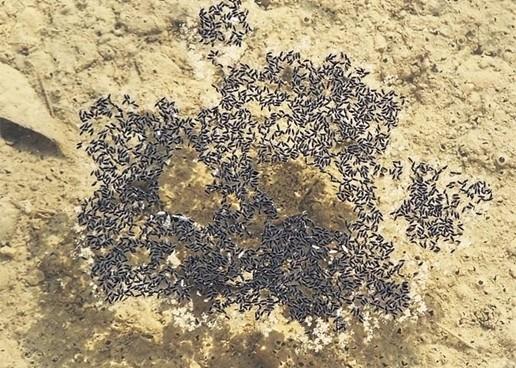
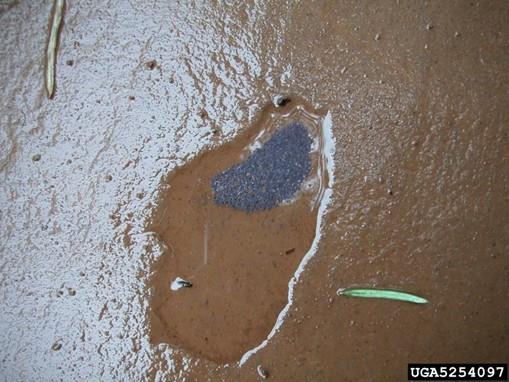
Following the wet spell around Thanksgiving, many people noticed and reported small, jumping insects in large numbers in moist indoor and outdoor areas (Figure 1, 2). These creatures are technically not insects, but insect-like creatures known as springtails. They get their name from their jumping or springing movement when disturbed. Springtails are usually seen in the spring but can occur year-round if moist conditions prevail. Both terrestrial and aquatic species exist.
Picture1

Figure 1. A congregation of springtails. Photo: Kate Redmond, University of Wisconsin.

Springtails belong to the class Collembola under the phylum Arthropoda and are therefore also referred to as “collembolans”. The class name “Collembola” is derived from two Greek words kólla meaning 'glue' and émbolos meaning 'peg', referring to a peg-like appendage called collophore, on their abdomen. The collophore was earlier thought to help them stick to different surfaces, but now it is understood that it has other functions including excretion and orientation of the body.
Picture2
Figure 2. Adult springtails gathered in a puddle.
Photo: Joseph OBrien, USDA Forest Service, Bugwood.org.

Habitat

Springtails are essentially outdoor creatures, and occur naturally in moist soil. They prefer environments rich in organic matter. When numbers increase, they can be found floating on the surface of swimming pools or puddles of water (Figure 2), and congregating on surrounding sidewalks or walls. They thrive in heavily irrigated turf, greenhouses or hothouses that are maintained at high humidity.  

When their outdoor habitats become dry, springtails will move indoors for moisture. They can easily enter homes through window screens and open doors, or through gaps in door sweeps or weather stripping. They can also come in through utility pipes, or in potted plants. Once indoors, they crawl and jump about to find moist spots such as kitchen sinks, bathtubs, bathroom sinks and floor drains. They may also congregate in damp basements, wall voids and crawl spaces. Without moisture, they will not survive and will die in a few days.

Identification

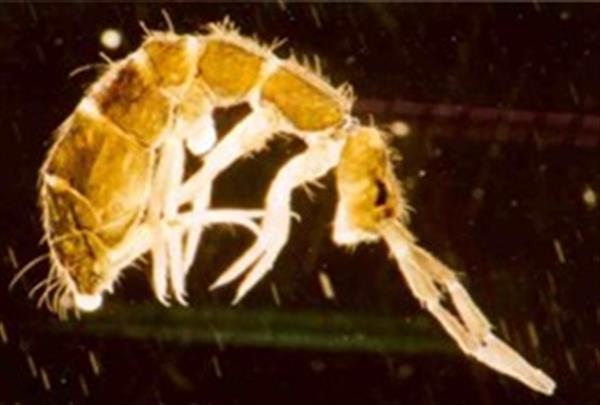
Springtails are tiny, measuring about 1/16th of an inch in length, and vary greatly in color and body shape. Common body colors are off-white to gray, or black. Most species of springtails have a tail-like appendage on the final body segment known as a furcula or furca. It is kept folded beneath the body, held under tension by a small clasp-like structure called the retinaculum or tenaculum (Figure 3). When movement is triggered, the clasp is released, causing the furca to snap against the substrate, thus causing the springtail to jump into the air. Due to their jumping motion, they may be mistaken for fleas.
Picture3

Figure 3. A magnified view of a springtail. Note the tail-like furcula kept folded beneath the body.
Photo: U. Burkhardt, Wikimedia Commons.

Damage

Most species of springtails are scavengers feeding on decaying organic matter. They do not bite, sting, or cause structural damage, nor do they vector diseases.  They can be a nuisance when they occur in large numbers in and around homes and structures.

There are some pest species that can cause significant damage to crop seedlings by feeding on their roots and leaves. However, they do not damage grown plants.

Recurring infestations or prolonged presence of springtails can be an indication of high moisture levels and may warrant inspection for leaks in the foundation or basement of structures, or irrigation systems in landscapes.

Management

The best and most effective way to get rid of springtails, if they do not go away by themselves, is to reduce moisture in the environment. Reducing conditions that favor buildup of moisture is also essential. Here are some steps that can be taken:

Outdoors

  • Eliminate moist conditions by ensuring proper drainage of water away from the perimeter of homes or structures.
  • Avoid piling excessive mulch and organic matter buildup around the structure. Remove landscape debris promptly.
  • Check irrigation systems for leaks on a regular basis, and repair leaks promptly.
  • Avoid overwatering landscape plants.
  • Springtails in swimming pools or water features can be removed by normal pool filtering or using a skimmer.

Indoors

  • Ensure that door sweeps and window screens are functional and repair any gaps, tears or rips promptly.
  • Seal gaps or cracks around doors and windows.
  • In case of a leak or spill, dry it out as soon as possible, using fans if needed.
  • Water indoor plants minimally, and if necessary place them outside for a few days to reduce access to habitat.
  • If springtails congregate inside the sink or bathtub, wash them down with water. Do not spray or flush with bleach or pesticides.
  • Springtails on the floor can be swept away or vacuumed.

Chemical pesticides are generally not necessary for springtail management. If favorable conditions (moisture) are not corrected, pesticides will only offer a temporary solution. Further, pesticides applied to the ground in an effort to get rid of springtails can end up in groundwater causing contamination. Therefore such applications are not recommended and should be avoided.


Is Your Turf Winter-ready?

Shaku Nair
Department of Entomology, University of Arizona

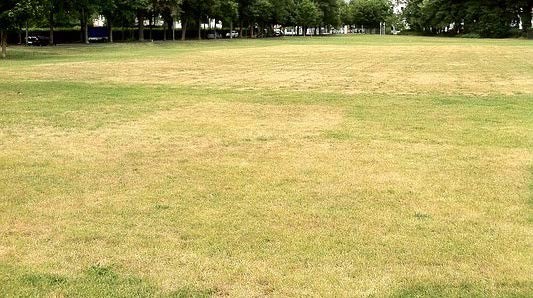
Around this time of year (November-December), warm-season turfgrasses (e.g., bermudagrass) start to go dormant and lose their green color. This does not mean they are dying, but that they are going into a low activity state to tide over the cold months. Overseeding the warm-season grass provides a green lawn through the winter until springtime, when the warm-season grasses come out of dormancy and resume their growth.
Picture4

Figure 4.  Warm season grasses lose their green color during winter and turn a golden tan.
Photo: Petra Faltermaier.

In the low desert, the ideal time for overseeding is when daytime temperatures are 80-85°F and nighttime temperatures are about 55°F (October – November). Overseeding too early when temperatures are warmer favors bermudagrass and prevents the winter grass from getting established. Later overseeding may be threatened by frost when young seedling grass may be damaged. If you have not overseeded your lawn already, it may be best to skip it this year, and let your lawn rest over the winter.

Non-overseeded bermudagrass lawns that stay blond throughout the winter generally do not require supplemental irrigation. Only if winter rains are lacking, the irrigation system could be turned on once a month, December – February, to keep the roots moist and to prevent desiccation. Read more about the process of overseeding winter grasses into summer lawns and the spring transition, in our publication.


What the Heck Was This?
(From our November issue)

    Picture5 

Answer: Springtail or Collembolan.

Congratulations to Master Pest Detective: 
Donna Lorch, Maricopa County Master Gardener


What the Heck is This?

Picture6

If you know the answer, email Dawn at dhgouge@arizona.edu.
You will not win anything if you are correct, but you will be listed
as a “Master Pest Detective” in the next newsletter issue.


Upcoming/Ongoing Events

IPM Institute of North America is organizing a Free Webinar:

Land Grant and Extension: Facilitating use of NRCS Conservation Programs to increase adoption of IPM

Picture7

Webinar Date & Time: Tuesday, December 9 | 12:00 PM - 1:00 PM CST | Virtual| Free to attend | Earn 1.0 CEU Integrated Pest Management | REGISTER


Save the dates:

9th Arizona School IPM Conference

April 21 & 22, 2026 in Phoenix AZ

 Arizona OPM (PMD) and AG CEUs will be applied for.


Emerald Ash Borer in the West.

Host: Extension services of Idaho, Montana, Utah and Nevada

Emerald ash borer is considered the most destructive forest insect pest the United States has ever faced and it is slowly spreading westward. This two-hour webinar will begin with an update of this pest in the West, then detail the staggering efforts conducted in the eastern United States to combat this invasive, tree-killing insect.

Date: December 11, 11 a.m. Pacific.

What’s Bugging You? First Friday Events  (New York State IPM Program) 
Fridays | 12:00 pm. – 12:30 p.m. EDT | Zoom | Free but registration required. 

In this monthly virtual series, we explore timely topics to help you use integrated pest management (IPM) to avoid pest problems and promote a healthy environment where you live, work, learn and play. What is IPM? It's a wholistic approach that uses different tools and practices to not only reduce pest problems, but to also address the reasons why pests are there in the first place. Each month, our speakers will share practical information about how you can use IPM. Register for upcoming events.    

What’s Bugging You First Friday events are also available in Spanish. Individuals interested in these events can find more information on this website:  https://cals.cornell.edu/new-york-state-integrated-pest-management/outreach-education/events/whats-bugging-you-webinars/conozca-su-plaga

Urban and Community IPM Webinars (Host: University of California)

UC Statewide IPM Program Urban and Community webinar series is held the third Thursday of every month to teach about pest identification, prevention and management around the home and garden. This series is free but advanced registration is required. Dates and topics below, all begin at noon Pacific. https://ucanr.edu/sites/ucipm-community-webinars/


To view previous University of Arizona newsletters, visit: https://acis.cals.arizona.edu/community-ipm/home-and-school-ipm-newsletters.


We want to hear from you!

Please take this short 5-question survey about our newsletter:

https://uarizona.co1.qualtrics.com/jfe/form/SV_cMhZ82JodDKJgCa


Acknowledgements

This material is in part funded by the National Institute of Food and Agriculture, U.S. Department of Agriculture, under award number 2021-70006-35385 that provides Extension IPM funding to the University of Arizona. Any opinions, findings, conclusions, or recommendations expressed in this publication are those of the authors and do not necessarily reflect the views of the U.S. Department of Agriculture or those of other funders.

We respectfully acknowledge the University of Arizona is on the land and territories of Indigenous peoples. Today, Arizona is home to 22 federally recognized tribes, with Tucson being home to the O’odham and the Yaqui. Committed to diversity and inclusion, the University strives to build sustainable relationships with sovereign Native Nations and Indigenous communities through education offerings, partnerships, and community service.
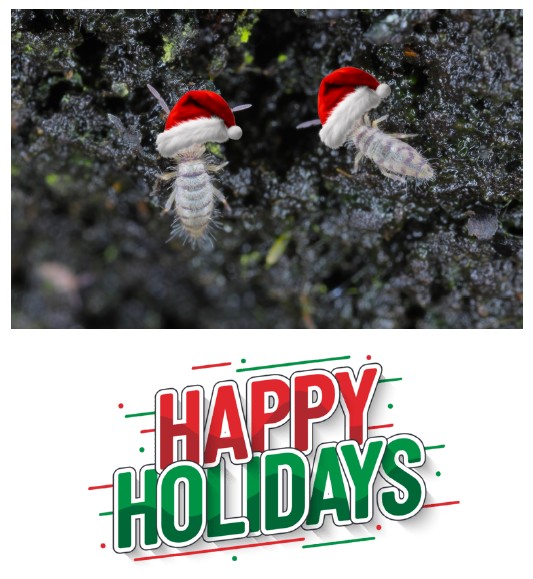
Greet


Back to Top

Community IPM Newsletters in PDF
  • pdf
    September 2018 - ANTicipate (pdf)
    DownloadSeptember 2018 - ANTicipate (665 KB)
  • pdf
    September 2017 - Increase in Rabies Cases in Animals (pdf)
    DownloadSeptember 2017 - Increase in Rabies Cases in Animals (218 KB)
  • pdf
    September 2016 - ANTicipate (pdf)
    DownloadSeptember 2016 - ANTicipate (832 KB)
  • pdf
    September 2015 - Pesticide Resistant Head Lice (pdf)
    DownloadSeptember 2015 - Pesticide Resistant Head Lice (579 KB)
  • pdf
    September 2014 - Fall Landscape Checklist (pdf)
    DownloadSeptember 2014 - Fall Landscape Checklist (1841 KB)
  • pdf
    September 2013 - Tiny yet tremendous critters: Head Lice (pdf)
    DownloadSeptember 2013 - Tiny yet tremendous critters: Head Lice (1669 KB)
  • pdf
    October 2018 - Flea-borne Typhus (pdf)
    DownloadOctober 2018 - Flea-borne Typhus (399 KB)
  • pdf
    October 2015 - Resources to Promote, Practice & Expand School IPM in the West (pdf)
    DownloadOctober 2015 - Resources to Promote, Practice & Expand School IPM in the West (394 KB)
  • pdf
    October 2014 - Bed Bug Battle We Want to Hear From You (pdf)
    DownloadOctober 2014 - Bed Bug Battle We Want to Hear From You (1671 KB)
  • pdf
    October 2013 - Human Scabies (pdf)
    DownloadOctober 2013 - Human Scabies (1647 KB)
  • pdf
    November 2015 - Get Rodents Out of Your Place (pdf)
    DownloadNovember 2015 - Get Rodents Out of Your Place (657 KB)
  • pdf
    November 2014 - Rodents: Get Them Out of Your School, House and Yard (pdf)
    DownloadNovember 2014 - Rodents: Get Them Out of Your School, House and Yard (1696 KB)
  • pdf
    November 2013 - Rodents: Get Them Out of Your School, House and Yard (pdf)
    DownloadNovember 2013 - Rodents: Get Them Out of Your School, House and Yard (1592 KB)
  • pdf
    May 2018 - School Preparation for Summer Management Teams (pdf)
    DownloadMay 2018 - School Preparation for Summer Management Teams (588 KB)
  • pdf
    May 2017 - Human Disease-Causing Viruses Vectored by Mosquitoes (pdf)
    DownloadMay 2017 - Human Disease-Causing Viruses Vectored by Mosquitoes (453 KB)
  • pdf
    May 2016 - Wild Honey Bees in Community Environments (pdf)
    DownloadMay 2016 - Wild Honey Bees in Community Environments (1067 KB)
  • pdf
    May 2015 - New Pest In Community Environments – Ficus Whitefly (pdf)
    DownloadMay 2015 - New Pest In Community Environments – Ficus Whitefly (1832 KB)
  • pdf
    May 2014 - School Smart IPM: The Sensible Way to Work the Bugs Out (pdf)
    DownloadMay 2014 - School Smart IPM: The Sensible Way to Work the Bugs Out (1697 KB)
  • pdf
    May 2013 - IPM Mosquito Management (Fight the Bite) (pdf)
    DownloadMay 2013 - IPM Mosquito Management (Fight the Bite) (1563 KB)
  • pdf
    March 2018 - Spring Preemergence Weed Control in Lawns (pdf)
    DownloadMarch 2018 - Spring Preemergence Weed Control in Lawns (598 KB)
  • pdf
    March 2017 - IPM for Microorganisms: Cleaning, Disinfecting, and Sanitizing (pdf)
    DownloadMarch 2017 - IPM for Microorganisms: Cleaning, Disinfecting, and Sanitizing (246 KB)
  • pdf
    March 2016 - Poison Prevention (pdf)
    DownloadMarch 2016 - Poison Prevention (807 KB)
  • pdf
    March 2015 - Poison Safety (pdf)
    DownloadMarch 2015 - Poison Safety (1647 KB)
  • pdf
    March 2014 - National Poison Prevention Week (pdf)
    DownloadMarch 2014 - National Poison Prevention Week (1549 KB)
  • pdf
    March 2013 - Opportunity for Expanded (IPM) Education (pdf)
    DownloadMarch 2013 - Opportunity for Expanded (IPM) Education (1732 KB)
  • pdf
    June 2018 - Managing Scorpions (pdf)
    DownloadJune 2018 - Managing Scorpions (678 KB)
  • pdf
    June 2017 - Great Arizona Mosquito Hunt (pdf)
    DownloadJune 2017 - Great Arizona Mosquito Hunt (648 KB)
  • pdf
    June 2016 - Online IPM Resources (pdf)
    DownloadJune 2016 - Online IPM Resources (913 KB)
  • pdf
    June 2015 - Watch Out for Pests! (pdf)
    DownloadJune 2015 - Watch Out for Pests! (1710 KB)
  • pdf
    June 2014 - The Scoop on Scorpions (pdf)
    DownloadJune 2014 - The Scoop on Scorpions (1964 KB)
  • pdf
    June 2013 - Bed Bugs Awareness (pdf)
    DownloadJune 2013 - Bed Bugs Awareness (1500 KB)
  • pdf
    July 2018 - Something’s biting me, but I can’t see it! (pdf)
    DownloadJuly 2018 - Something’s biting me, but I can’t see it! (716 KB)
  • pdf
    July 2017 - Mosquito and Tick Repellents (pdf)
    DownloadJuly 2017 - Mosquito and Tick Repellents (397 KB)
  • pdf
    July 2016 - Annual Great Arizona Mosquito Hunt (pdf)
    DownloadJuly 2016 - Annual Great Arizona Mosquito Hunt (444 KB)
  • pdf
    July 2015 - Preparing Your School IPM Plan (pdf)
    DownloadJuly 2015 - Preparing Your School IPM Plan (2144 KB)
  • pdf
    July 2014 - Rabies (pdf)
    DownloadJuly 2014 - Rabies (1807 KB)
  • pdf
    July 2013 - Summer Pest Proofing and Monsoon Wonder (pdf)
    DownloadJuly 2013 - Summer Pest Proofing and Monsoon Wonder (1600 KB)
  • pdf
    January 2018 - IPM for Microorganisms: Cleaning, Disinfecting, and Sanitizing (pdf)
    DownloadJanuary 2018 - IPM for Microorganisms: Cleaning, Disinfecting, and Sanitizing (456 KB)
  • pdf
    January 2017 - CDC on-line Classes (VCEHP) (pdf)
    DownloadJanuary 2017 - CDC on-line Classes (VCEHP) (392 KB)
  • pdf
    January 2016 - Remain Calm: Kissing Bugs Are Not Invading The US (pdf)
    DownloadJanuary 2016 - Remain Calm: Kissing Bugs Are Not Invading The US (565 KB)
  • pdf
    February 2018 - IPM for Microorganisms – Focus on Flu Part 2 (pdf)
    DownloadFebruary 2018 - IPM for Microorganisms – Focus on Flu Part 2 (329 KB)
  • pdf
    February 2017 - Stop School Pests: Professional Development Training for Schools (pdf)
    DownloadFebruary 2017 - Stop School Pests: Professional Development Training for Schools (442 KB)
  • pdf
    February 2016 - Why Pesticide Application Notifications in Schools are Important (pdf)
    DownloadFebruary 2016 - Why Pesticide Application Notifications in Schools are Important (507 KB)
  • pdf
    February 2015 - Lice Love Us (pdf)
    DownloadFebruary 2015 - Lice Love Us (1750 KB)
  • pdf
    February 2014 - Start a new year with clutter control (pdf)
    DownloadFebruary 2014 - Start a new year with clutter control (1478 KB)
  • pdf
    December 2014 - Rodents: Get Them Out of Your School, House and Yard (pdf)
    DownloadDecember 2014 - Rodents: Get Them Out of Your School, House and Yard (1590 KB)
  • pdf
    December 2013 - Rodents: Get Them Out of Your School, House and Yard (pdf)
    DownloadDecember 2013 - Rodents: Get Them Out of Your School, House and Yard (1472 KB)
  • pdf
    August 2018 - Beware of Fire Ant Stings (pdf)
    DownloadAugust 2018 - Beware of Fire Ant Stings (619 KB)
  • pdf
    August 2017 - IPM for Microorganisms: Cleaning, Disinfecting, and Sanitizing (pdf)
    DownloadAugust 2017 - IPM for Microorganisms: Cleaning, Disinfecting, and Sanitizing (432 KB)
  • pdf
    August 2016 - Mosquitoes and the Great Outdoors (pdf)
    DownloadAugust 2016 - Mosquitoes and the Great Outdoors (494 KB)
  • pdf
    August 2015 - Mosquito-borne Diseases and Mosquito IPM (pdf)
    DownloadAugust 2015 - Mosquito-borne Diseases and Mosquito IPM (608 KB)
  • pdf
    August 2014 - Healthy Turf for a Healthy Environment (pdf)
    DownloadAugust 2014 - Healthy Turf for a Healthy Environment (2112 KB)
  • pdf
    August 2013 - Seven steps to start a school IPM program (pdf)
    DownloadAugust 2013 - Seven steps to start a school IPM program (1501 KB)
  • pdf
    April 2017 - Arizona School Earns National Recognition (IPM STAR Award) (pdf)
    DownloadApril 2017 - Arizona School Earns National Recognition (IPM STAR Award) (701 KB)
  • pdf
    April 2016 - Zika Virus (pdf)
    DownloadApril 2016 - Zika Virus (890 KB)
  • pdf
    April 2015 - Filth, Fruit and Drain Flies (pdf)
    DownloadApril 2015 - Filth, Fruit and Drain Flies (1665 KB)
  • pdf
    April 2014 - EPA Awards $500,000+ to Help Reduce Children’s Exposure to Pesticide (pdf)
    DownloadApril 2014 - EPA Awards $500,000+ to Help Reduce Children’s Exposure to Pesticide (1751 KB)
  • pdf
    April 2013 - Lock Up Pesticides and Chemicals (pdf)
    DownloadApril 2013 - Lock Up Pesticides and Chemicals (1602 KB)

Back to Top

APMC Logo BW Inverted
CALS Logo Black and white Inverted
ARIZONA PEST MANAGEMENT CENTER
University of Arizona
College of Agriculture and Life Sciences
Maricopa Agricultural Center

37860 W. Smith-Enke Road
Maricopa, AZ 85239
FULL CONTACT
LIST
facebook
twitter


© Arizona Board of Regents

University Privacy Statement